
Discover Bhutan: The Last Shangri-La
Bhutan, the Land of the Thunder Dragon, is one of the most unique countries in the world. Nestled in the eastern Himalayas between India and Tibet, this small kingdom has preserved its ancient Buddhist culture while embracing a carefully measured approach to modernization. Bhutan measures its success not by GDP but by Gross National Happiness (GNH).
Why Visit Bhutan?
Bhutan offers something increasingly rare in our hyper-connected world — a genuine escape into a land of ancient traditions, pristine forests, and warm-hearted people. The country's commitment to environmental conservation means that over 70% of its landmass remains forested, and it is the world's only carbon-negative country.
Top Experiences in Bhutan
1. Tiger's Nest Monastery (Paro Taktsang)
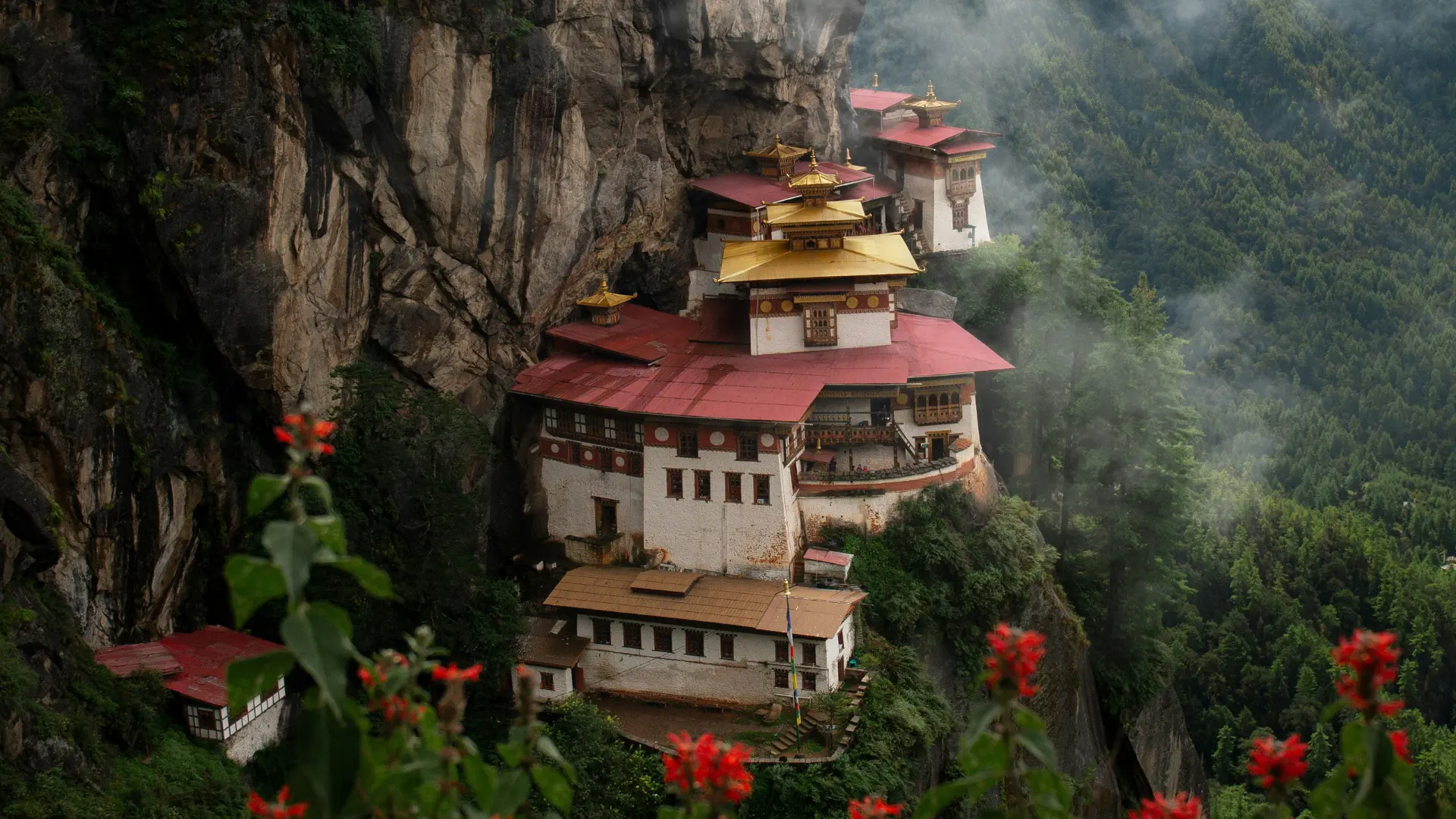
No visit to Bhutan is complete without seeing the iconic Tiger's Nest Monastery, perched on a cliff 3,120 meters above sea level. The hike through pine forests draped with prayer flags takes approximately 2-3 hours. According to legend, Guru Rinpoche meditated in a cave here in the 8th century, flying in on the back of a tigress.
2. Punakha Dzong
The most beautiful dzong in Bhutan, Punakha Dzong sits at the confluence of the Mo Chhu and Pho Chhu rivers. Built in 1638, it serves as the winter residence of the central monastic body and was the site of the current King's coronation. The approach through a canopy of jacaranda trees in spring is unforgettable.
3. Thimphu Valley
The capital city is a fascinating blend of tradition and modernity. Visit the Tashichho Dzong, the weekend farmers' market, the National Memorial Chorten, and the Giant Buddha statue overlooking the valley. Thimphu is one of the few capital cities in the world without traffic lights.
4. Bumthang Valley
Known as the spiritual heartland of Bhutan, the Bumthang Valley comprises four valleys — Chokhor, Tang, Ura, and Chumey. This region is home to some of Bhutan's oldest temples, including Jambay Lhakhang (7th century) and Kurjey Lhakhang. The valley is also famous for its honey, cheese, and traditional woven textiles.
5. Dochula Pass
The scenic mountain pass between Thimphu and Punakha offers panoramic views of the Eastern Himalayas on clear days. The pass is adorned with 108 memorial chortens (stupas) built in honor of Bhutanese soldiers, and the Druk Wangyel Lhakhang temple stands at its summit.
Bhutan Travel Tips
All international tourists (except citizens of India, Bangladesh, and the Maldives) must book their trip through a licensed Bhutanese tour operator. The daily Sustainable Development Fee (SDF) includes accommodation, transport, a licensed guide, and meals. This model ensures sustainable tourism that benefits local communities while preserving Bhutan's cultural and natural heritage.
Best Time to Visit
Spring (March-May) and autumn (September-November) offer the best weather and visibility. Spring brings rhododendron blooms across the hillsides, while autumn offers clear mountain views. Festival seasons in spring and autumn add an extra dimension to your visit with traditional masked dances and celebrations.
Book Your Bhutan Tour
Nepal Lion Tours offers carefully curated Bhutan tour packages that combine cultural immersion with natural exploration. Contact us to plan your journey to the Last Shangri-La in 2026.
Frequently Asked Questions
Yes, all international tourists (except citizens of India, Bangladesh, and the Maldives) need a visa. Your visa is arranged by a licensed Bhutanese tour operator as part of your booking. You will need a passport valid for at least 6 months and a passport-size photo. The visa fee is USD 40, payable with your tour payment.
Bhutan operates a Sustainable Development Fee (SDF) of USD 100 per person per night for international visitors. This fee covers accommodation, licensed guide, all meals, transport within Bhutan, and a contribution to free education and healthcare. Peak season supplements may apply during festival periods.
Spring (March to May) and autumn (September to November) offer the most pleasant weather and the clearest mountain views. Spring brings vibrant rhododendron blossoms, while autumn offers crisp air and spectacular Himalayan vistas. The Paro Tsechu festival in spring is a major highlight.
A minimum 5-day tour is required to experience Bhutan's highlights. A 7-day itinerary allows visits to Paro, Thimphu, and Punakha, while 10-14 days lets you explore central Bhutan including Bumthang Valley. Most travelers choose 7-10 day packages.
No, all international tourists must book through a licensed Bhutanese tour operator and be accompanied by a government-authorized guide throughout their stay. This ensures controlled, sustainable tourism and provides visitors with deep cultural insights they would otherwise miss.
No comments yet. Be the first to share your thoughts!